Erosion and Sedimentation (E&S)/ NPDES Permitting
The Conservation District has entered into two delegation agreements to assist the Pennsylvania Department of Environmental Protection (DEP) and the regulated community with environmental permitting. The two delegations involve the Chapter 102 – Erosion and Sediment Control Program and Chapter 105 – Dam Safety and Waterway Management.
The “Chapter” term refers to the section in which the program is outlined in the Department of Environmental Protection’s rules and regulations.
Click the links below for PA DEP’s overview of the permits and related resources:
Chapter 102 E&S Permit Overview
Chapter 105 General Permit Overview
More information on Delaware County permits is in the following sections.
Chapter 102 Erosion & Sedimentation (E&S)/NPDES Permit
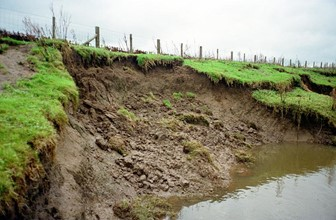 Chapter 102 of the Pennsylvania Code requires permits from the Department of Environmental Protection (DEP) for construction activities that involve earth disturbances greater than or equal to one acre. This includes various activities such as:
- Construction projects with earth disturbances of one acre or more (excluding agricultural plowing or tilling).
- Timber harvesting and road maintenance activities involving 25 or more acres of disturbance.
- Oil and gas activities that disturb five or more acres of land.
General NPDES Permit Fees:
$500 administrative filing or “base” fee paid to Delaware County Clean Water Fund plus
$100 for each disturbed acre payable to the Commonwealth of PA Clean Water Fund
Individual NPDES Permit Fees:
$1,500 administrative filing or “base” fee paid to Delaware County Clean Water Fund and $100 for each disturbed acre payable to the Commonwealth of PA Clean Water Fund
We’ve updated our E&S Fee Schedule, effective April 20th, 2026.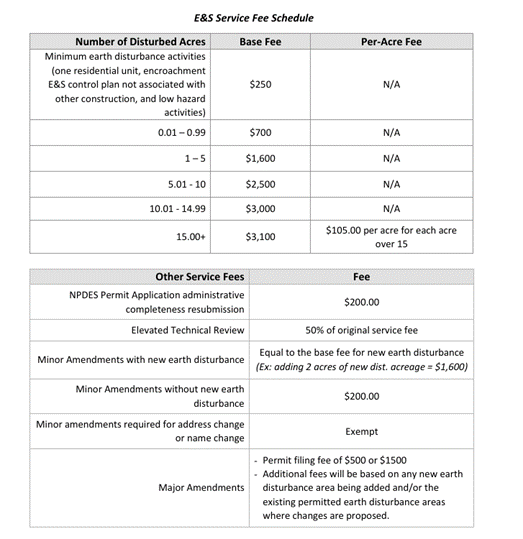
Further Information about E&S/NPDES Permits:
E&S Control Plan Guidelines
DEP's E&S resources
DEP's Construction Stormwater Website
Agriculture Erosion and Sediment Control Website
Review Permits in the PA Bulletin
Submit E & S Control Plan here
Chapter 105 Streams and Wetlands Permit
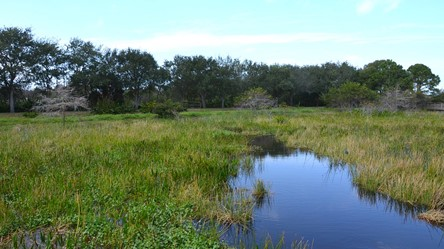 Many activities in Pennsylvania streams, lakes, ponds, or wetlands require a permit from the Pennsylvania Department of Environmental Protection (DEP) to protect public health, safety and the environment. These are activities that change, expand, or diminish the course, current, or cross section of a watercourse, floodway, or waterbody are termed encroachments, obstructions in certain cases, and are regulated by Chapter 105 regulations (PA DEP). There are 12 different GPs, each related to a particular activity. DCCD handles permits for GP’s 1-9.
To obtain this permit, you must check your eligibility for the specific GP, calculate your fees using the Chapter 105 Fee Calculation Worksheet, and submit your application online.
Chapter 105 General Permit Information
- GP 1: Fish habitat enhancement structures (not in wetlands)
- GP 2: Small docks & boat launching ramps (≤750 sq ft)
- GP 3: Bank rehabilitation, protection, and gravel bar removal (≤500 ft length, ≤6" depth)
- GP 4: Intake & outfall structures
- GP 5: Utility line stream crossings
- GP 6: Agricultural crossings/activities
- GP 7: Minor road crossings
- GP 8: Temporary road crossings
- GP 9: Agricultural activities
- GP 10: Abandoned mine reclamation
- GP 11: Maintenance, repair, or replacement of existing obstructions/encroachments
- GP 15: Private residential construction in wetlands
What can and can’t I do to a stream without a permit?
Check this out: Stream Maintenance
Pennsylvania Natural Diversity Index (PNDI)
The Pennsylvania Natural Diversity Inventory (PNDI) Environmental Review is a web-based tool used to evaluate potential impacts of proposed projects on threatened, endangered, and special concern species and their habitats within Pennsylvania.
PNDI Environmental Review specifically analyzes a project’s footprint against species locations and recommends conservation measures, avoidance strategies, or next steps required for regulatory compliance.