National Pollution Discharge Elimination System (NPDES)
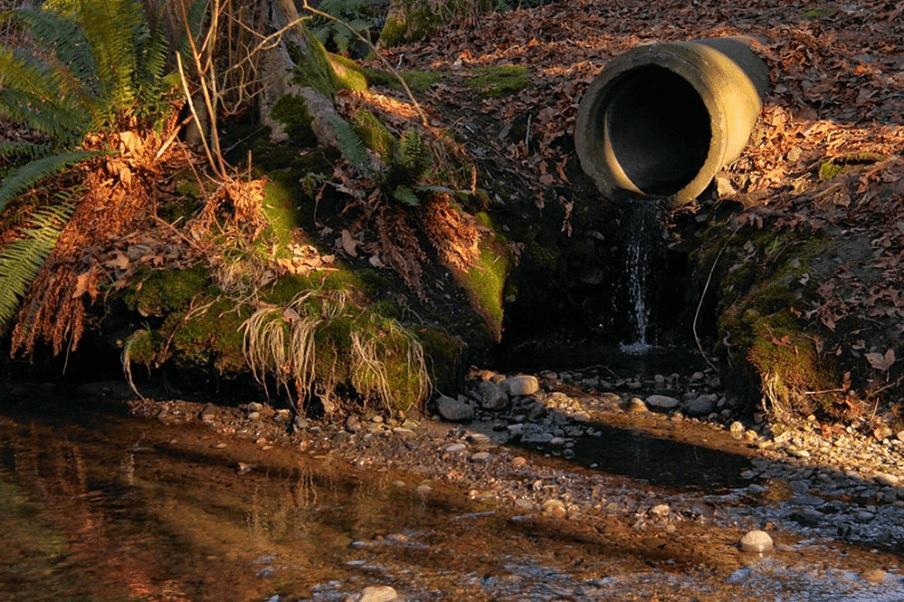 The Clean Water Act of 1972 has greatly improved the quality of the Nation’s waterways. The NPDES program originally regulated point discharges such as those from STPs and factories. It has since been expanded to address nonpoint source pollution resulting from stormwater. Phase I of the NPDES stormwater program sets permit requirements on medium to large municipal separate storm sewer systems that serve 100,000 people or more, as well as construction sites greater than five acres, and 10 separate categories of industrial sources.
The Phase II program requires all owners and operators of small municipal separate storm sewer systems in urbanized areas as defined by the Census Bureau and owners and operators of small construction sites the disturb 1 to 5 acres of land to obtain an NPDES permit. Every municipality in Delaware County meets these criteria and is therefore required to have a permit.
Permits are issued by DEP to each municipality based on a 5-year time frame. Requirements of the permit are to implement programs to address the following 6 Minimum Control Measures:
- Public Education and Outreach
- Public Involvement and Participation
- Illicit Discharge Detection and Elimination
- Construction Site Stormwater Runoff Control
- Post Construction Stormwater Management in New Development and Redevelopment
- Pollution Prevention and Good Housekeeping for Municipal Operations and Maintenance.
Many of these elements can be addressed through municipal stormwater ordinances such as those developed as part of an Act 167 Stormwater Management Plans.
The County, in an effort to assist the municipalities in meeting part 1 and 2 of these requirements, has run educational advertisements in the Daily Times as well as distributed stormwater bookmarks to all the libraries in the County libraries. The County further assists municipalities with the development of Act 167 plans and information distribution concerning regulation requirements.
More information on MS4 permits:
DEP Municipal Stormwater Website
MS4 NPDES Permit
EPA MS4 Information
What can you do to help reduce stormwater pollution?
Stormwater runoff is generated from rain and snowmelt events that flow over land or impervious surfaces, such as paved streets, parking lots, and building rooftops, and does not soak into the ground. The runoff picks up pollutants like trash, chemicals, oils, and dirt/sediment that can harm our rivers, streams, lakes, and coastal waters. To protect these resources, communities, construction companies, industries, and others, use stormwater controls, known as best management practices (BMPs). These BMPs filter out pollutants and/or prevent pollution by controlling it at its source.
The NPDES stormwater program regulates some stormwater discharges from three potential sources: municipal separate storm sewer systems (MS4s), construction activities, and industrial activities. Operators of these sources might be required to obtain an NPDES permit before they can discharge stormwater. This permitting mechanism is designed to prevent stormwater runoff from washing harmful pollutants into local surface waters (EPA).
- Learn more about our watersheds
- Caring for Your Streamside Property Brochure
- EPA NPDES Stormwater Program
- Villanova Urban Stormwater Partnership
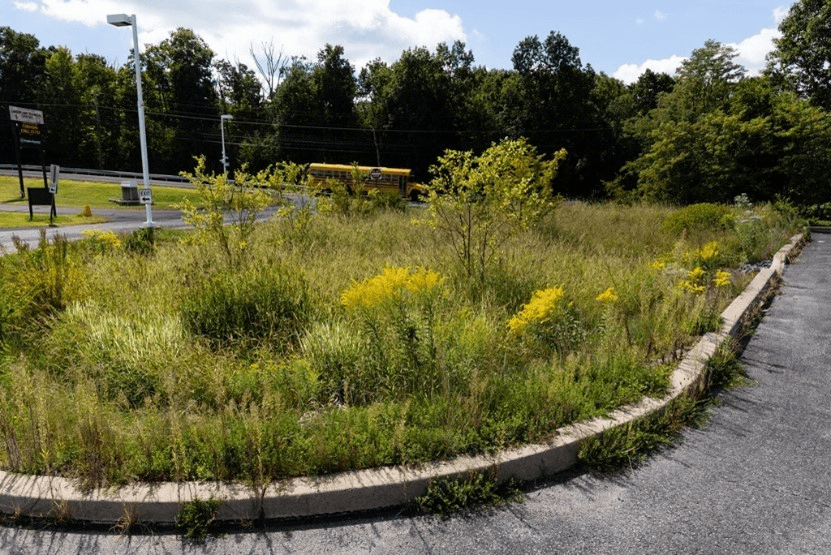 Shown in the picture is a rain garden, which is a shallow, landscaped depression designed to capture and absorb rainwater runoff. Planted with water-tolerant native vegetation, it filters out pollutants and temporarily holds water, allowing it to slowly soak into the ground rather than causing flooding or carrying contaminants into local waterways.
A rain garden is a great way to reduce stormwater pollution, and you can create one at home!
167 Stormwater Management Plans
Recognizing the need to deal with the problems associated with stormwater runoff, the Pennsylvania General Assembly enacted Act 167 in 1978, the Pennsylvania Stormwater Management Act. This act, which is the “sister” legislation to Act 166, FP Management Act recognizes the interrelationship between land development, accelerated runoff, and floodplain management. While Act 166 requires municipalities to regulate development in the floodplain, Act 167 requires municipalities to implement a stormwater management ordinance limiting stormwater runoff from new development.
The Act requires Pennsylvania counties to prepare and adopt stormwater management plans for each watershed located in the county, as designated by the Pennsylvania Department of Environmental Protection. Most importantly, these plans are to be prepared in consultation with municipalities located in the watershed, working through a Watershed Plan Advisory Committee (WPAC). The plans are to provide uniform technical standards and criteria throughout a watershed, for the management of stormwater runoff and from new land development and redevelopment sites.
The types and degree of controls that are prescribed in the watershed plan need to be based on the expected development pattern and hydrologic characteristics of each individual watershed. The management plan, specifically the standards and criteria, are developed from the technical evaluations performed in the planning process to respond to the “cause and effect” nature of existing and potential storm runoff impacts in the watershed. The final product of the Act 167 watershed planning process is a comprehensive and practical implementation plan and stormwater ordinance developed with a firm sensitivity to the overall needs (e.g. financial, legal, political, technical, etc.) of the municipalities in the watershed. Every municipality within the watershed must adopt the ordinance.
Act 167 Plans Status in Delaware County include:
- Ridley Creek (1988)
- Chester Creek (2003)
- Darby-Cobbs Creeks (2005)
- Crum Creek (In Progress)
- Brandywine Creek (only small land area in Delaware County, plan to be prepared by Chester County)
Municipal Separate Stormwater Reports
MS-4 Required Plans
Public Education and Outreach Program
Operation and Maintenance Plan of Vehicles
Illicit Discharge Detection and Elimination Program
For further information on what your municipality is doing to meet NPDES requirements, contact your local municipal office.